Redefining Reality: William Greaves’ Legacy Beyond the Robert Flaherty Way
By Michael Jacobsohn

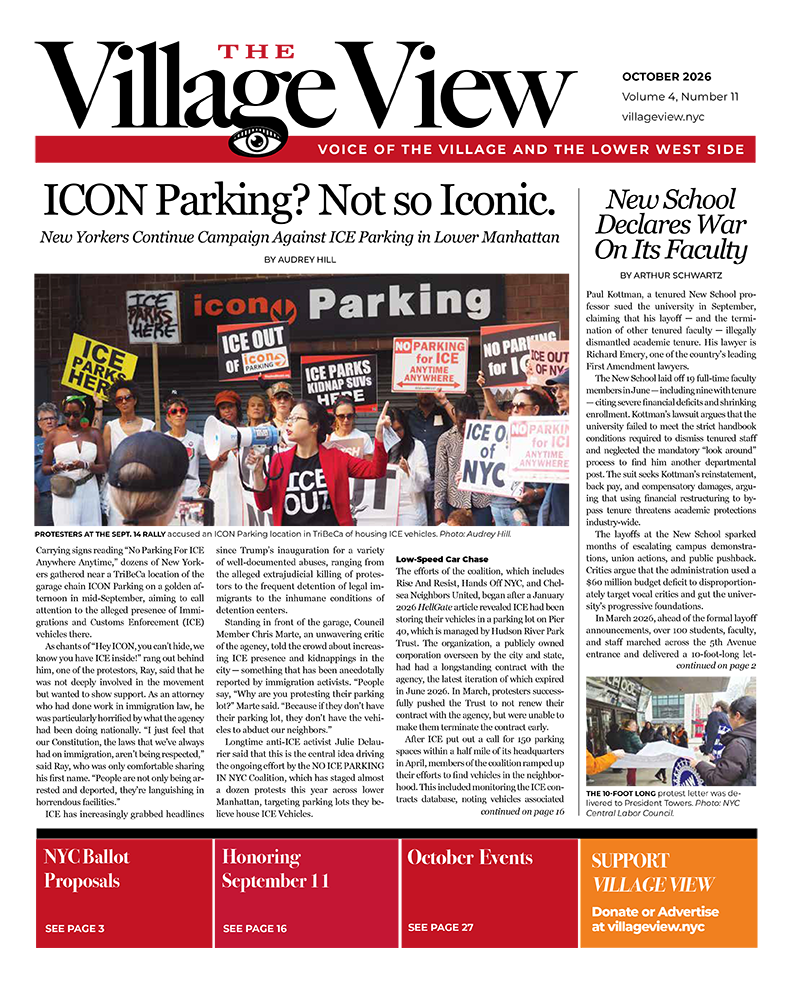
70TH FLAHERTY FILM SEMINAR flyer.
Before I ever had the chance to make 16mm films as a teenager, Robert Flaherty’s name was etched in my mind. Flaherty and his crew ventured to Inukjuak, Quebec, Canada, to film Nanook of the North. Released in 1922, this landmark work is widely considered one of the first feature-length documentaries. It portrays the daily life of an Inuk hunter named Nanook and his family in the Canadian Arctic, illustrating their traditional survival skills in a harsh environment. This captivating narrative was screened globally, offering audiences a glimpse into other world cultures. Flaherty went on to create several other notable documentaries. Over the years, his filmmaking techniques have sparked debate, particularly his propensity to feature photogenic protagonists in dramatic, sometimes perilous narratives raising questions about their authenticity. Some of Flaherty’s documentaries are available on the Criterion streaming service.
Seventy years ago, Frances Hubbard Flaherty, Robert Flaherty’s wife, became the driving force behind the founding of The Flaherty Seminar, an annual gathering of documentarians from around the world. Frances Flaherty was a vital collaborator on nearly all of Robert Flaherty’s classic films including Nanook of the North, Moana, Man of Aran, and Louisiana Story. This year’s opening event, held at MoMA, treated a full house of enthusiastic participants to an evening of William Greaves’ documentaries. Greaves, a groundbreaking and celebrated Black filmmaker, built an extensive five-decade career leaving a legacy that I believe stands on par with Robert Flaherty’s work. The evening’s highlight was Once Upon A Time in Harlem, an engaging work-in-progress documentary currently being expanded into a feature film by Liani Greaves and Anne de Mare.

WILLIAM AND LOUISE GREAVES.
Liani Greaves, William Greaves’ granddaughter, is dedicated to completing Once Upon A Time in Harlem, a passion project her grandfather unfortunately could not finish during his lifetime. The film explores the extraordinary artistic, cultural, and political flourishing that defined Harlem during the 1920s, often referred to as the “Roaring Twenties” for its vibrant cultural scene. Original music, specially composed and performed by legendary jazz pianist and composer Eubie Blake, enhances the period’s authenticity and atmosphere. The film chronicles the contributions from numerous influential Black artists, writers, musicians, and intellectuals of the Harlem Renaissance including A’Lelia Walker, James Van Der Zee, Adam Clayton Powell Jr., Duke Ellington, Cab Calloway, Josephine Baker, Ethel Waters, Bessie Smith, Fats Waller, Florence Mills, Paul Robeson, Marcus Garvey, Aaron Douglas, Langston Hughes, Claude McKay, and scholars like Arturo Schomburg.

WILLIAM GREAVES. All photos courtesy of William Greaves Productions.
I had the opportunity to speak with Liani Greaves about her grandparents. I learned that Louise Archambault Greaves, William Greaves’ wife, played an equally important role in the body of work they produced. They met in an acting workshop in Canada and, in 1964, founded William Greaves Productions in New York City. Louise Archambault Greaves served as co-producer and chief researcher on various projects, and was also a filmmaker in her own right. Crucially, she oversaw the preservation and promotion of their films. After William Greaves’ passing, Louise Greaves was actively involved in safeguarding his work and ensuring its accessibility.
Liani Greaves spoke passionately about her extensive efforts to transform Once Upon A Time in Harlem into a feature documentary in time for next year’s 100th anniversary of William Greaves’ birth. This formidable task includes digitizing 60,000 feet of 16mm film—approximately 30 hours of footage—and synching the original quarter-inch audio tape recordings to the digitized film material. Of course, the ongoing challenge of fundraising to complete the project remains significant.
We also discussed Greaves’ controversial 1968 film, Symbiopsychotaxiplasm: Take One, a groundbreaking and highly experimental fiction/documentary hybrid that delves into the filmmaking process itself. Set in New York City’s Central Park, William Greaves, playing himself as a director, orchestrates a seemingly chaotic film shoot. I must commend Greaves for crafting such an audacious title and for unapologetically revealing the filmmaking process to the viewer. While Flaherty could be manipulative in staging sequences in his documentaries, Greaves frankly shares the behind-the-scenes realities of his experimental, unconventional documentary. The film initially found no immediate commercial distribution and was largely shelved by Greaves. It was deemed unorthodox, difficult to categorize, and perhaps too experimental for mainstream audiences and distributors at the time. It only began to gain a cult following after its rediscovery in the early 1990s, particularly after screenings at festivals like Sundance where it captured the attention of filmmakers such as Steve Buscemi and Steven Soderbergh, who championed its re-release. Liani Greaves cherishes fond memories of being part of the 2005 production of Symbiopsychotaxiplasm: Take 2 1/2, a sequel to the original film that includes an on-camera appearance by Buscemi. Both of these films are available on the Criterion streaming service. Criterion is also remastering Greaves’ Ali, the Fighter, an early 1970s film that chronicles the lead-up to and the execution of the iconic “Fight of the Century” between Muhammad Ali and Joe Frazier. This documentary will be available for viewing next year on Criterion. Ironically, Liani Greaves explained that her grandparents viewed themselves as perpetually “starving filmmakers,” fueled by a dedication to use their documentaries to address societal wrongs. To learn more about the Greaves and their films you can go to their website: williamgreaves.com.

BLACK JOURNAL CREW in Harlem.
Another Flaherty Seminar documentary that particularly resonated with me was The Bus, made by celebrated cinematographer and director Haskell Wexler. This film chronicles a bus journey to the 1963 March on Washington. It offers an intimate look at the historic March for Jobs and Freedom. Instead of focusing solely on the events in Washington D.C., the film details the three-day cross-country journey of a busload of civil rights activists from San Francisco to the nation’s capital. I appreciate the raw feel of the black-and-white footage, which captures the genuine, heartfelt participants embarking on a trip of a lifetime. This impactful documentary is available on the MUBI streaming service.
Michael Jacobsohn is an independent New York filmmaker. His recently completed documentary, The Cornelia Street Cafe In Exile, which will screen at the IFC Center on Thursday, September 25th. He also curates and hosts a bimonthly screening of short films by New York Metropolitan filmmakers at New Plaza Cinema.